

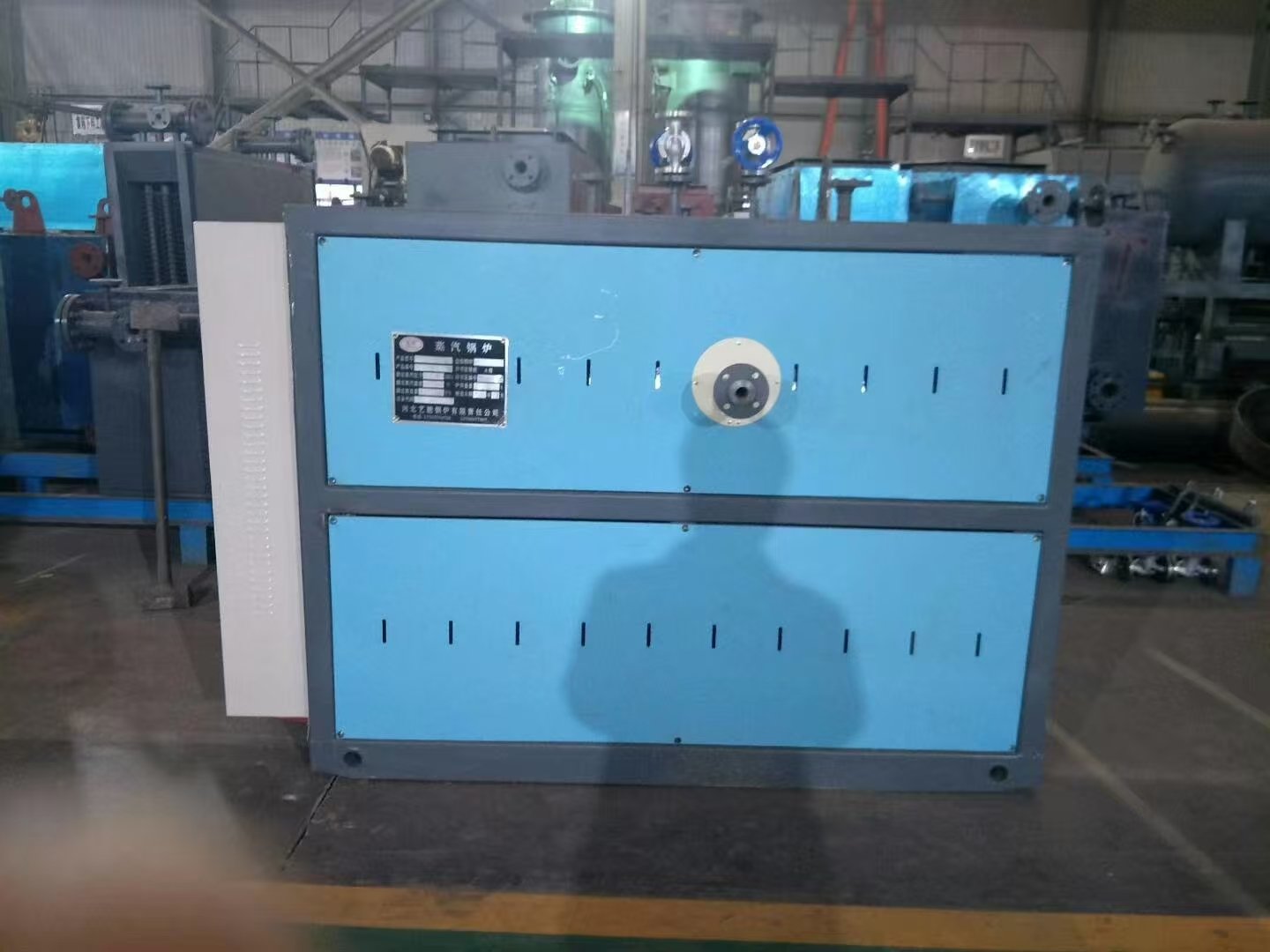
Slag buildup in a boiler furnace refers to the ash and slag produced by fuel combustion that adheres to the furnace walls, grate, heat transfer surfaces, and other components at high temperatures, forming hard, caked deposits. This phenomenon is common in coal-fired and biomass boilers. Slag buildup impedes heat transfer, reduces boiler thermal efficiency, increases fuel consumption, and can damage boiler components, thereby affecting normal boiler operation. Many people are unsure how to handle slag buildup when it occurs, so below we’ll share some simple methods for handling it.
Step 1: Shut down the boiler, allow it to cool, and ensure safety precautions are in place. Upon discovering slagging in the furnace, immediately shut down the boiler, cut off the fuel supply, and allow the boiler to cool naturally and depressurize to atmospheric pressure. It is strictly prohibited to address slagging while the boiler is under high temperature or high pressure to avoid safety hazards such as burns and equipment damage. At the same time, wear appropriate protective gear (heat-resistant gloves, safety goggles, protective clothing) to ensure operational safety.
Step 2: Assess the severity of the slagging and address it accordingly. If the slagging is minor and the coke lumps are small and loose, wait until the boiler has cooled down. Then, use specialized cleaning tools (such as a cleaning hammer, scraper, or rod) to gently tap the coke lumps and remove them completely. Be careful not to apply excessive force during cleaning to avoid damaging the furnace walls, grate, or other components. Promptly remove the cleared coke lumps from the furnace.
If slagging is severe—with large, hard coke clumps that cannot be removed directly with tools—use a specialized furnace descaling agent. Spray the descaling agent evenly over the surface of the coke clumps and wait for a period of time (typically 2–4 hours) to allow the agent to react with the clumps and soften them. Then, use cleaning tools to remove the coke clumps completely. After cleaning, rinse the furnace with clean water to remove any residual descaling agent.
Step 3: Inspect after cleaning to ensure no residue remains. Once slag removal is complete, thoroughly inspect the furnace walls, grate, heat transfer surfaces, and other areas to ensure all coke deposits have been completely removed with no residue remaining. Check boiler components for damage (such as deformation of the furnace walls or wear on the grate), and repair any damaged parts promptly to prevent issues during subsequent operation.
Step 4: Identify the causes of slagging and implement preventive measures. The main causes of slagging include: excessive fuel impurities, high moisture content, insufficient combustion air, excessively high furnace temperature, excessive grate speed, and insufficient fuel residence time in the furnace. After clearing the slagging, investigate these causes one by one and make timely adjustments: select fuel with low impurity content and moderate moisture content; adjust the combustion air supply to ensure complete fuel combustion; control the furnace temperature; and adjust the grate speed to ensure fuel burns thoroughly in the furnace, thereby reducing the occurrence of slagging.
Note: When addressing slagging, never use brute force to strike furnace components to avoid damaging the equipment. If slagging is severe and cannot be cleared on your own, contact professional maintenance personnel immediately; do not attempt to resolve the issue yourself. Regular fuel screening and adjustment of operating parameters can effectively reduce slagging.