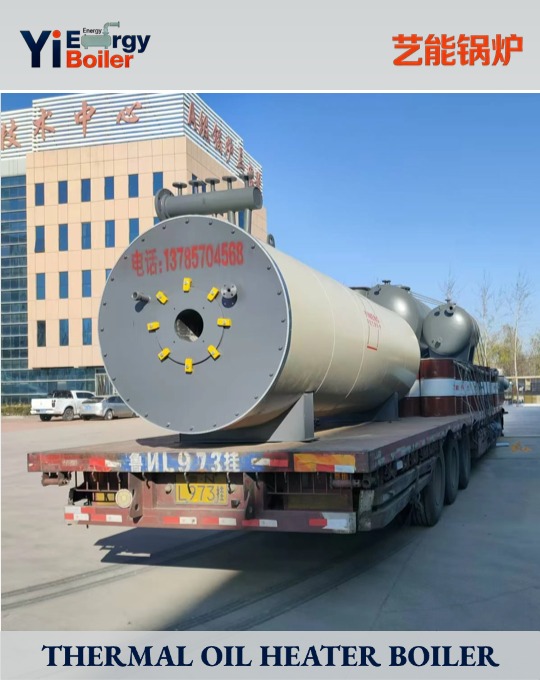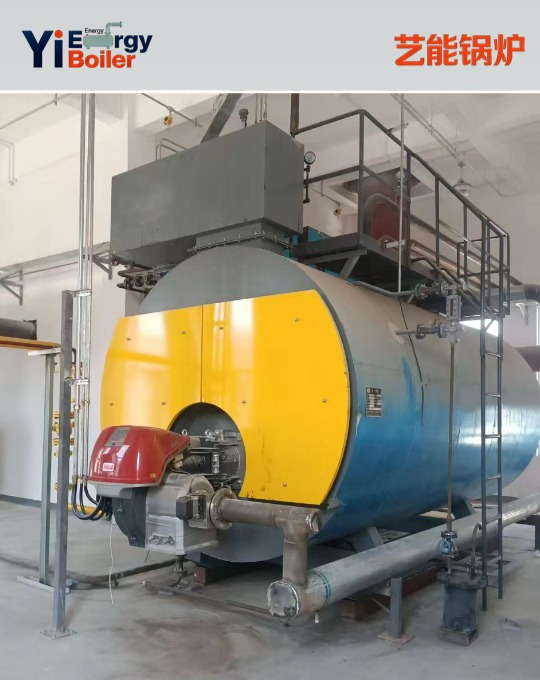
Many factories face a dilemma when selecting industrial boilers: should they opt for thermal oil boilers or steam boilers? In reality, neither is inherently superior or inferior. The key lies in the factory’s specific energy requirements. By considering factors such as production processes and energy parameters, the choice becomes straightforward. Below is a detailed analysis to help you avoid common selection pitfalls.
First, consider the required energy temperature. If your production process demands a high-temperature heat source with stable temperature control (typically between 200°C and 350°C), such as in petrochemical, rubber chemical, or asphalt processing industries, a thermal oil boiler is recommended. Thermal oil boilers offer a wide operating temperature range for the heat transfer fluid, high temperature control precision, and stable high-temperature heat supply. Additionally, since the working fluid doesn’t need to be heated to boiling point, energy consumption is relatively low. In contrast, steam boilers typically produce steam at temperatures between 100°C and 200°C, making them unsuitable for high-temperature applications. Achieving higher temperatures requires increasing steam pressure, which escalates equipment costs and safety risks.
Second, consider the required energy utilization method. If the facility requires steam—such as in food processing, textile dyeing, or power generation—for heating, sterilization, or equipment operation, a steam boiler is recommended. If the facility requires high-temperature thermal oil for heating reactors, dryers, or similar equipment without steam needs, a thermal oil boiler is preferable. Simply put: choose a steam boiler for steam needs, and a thermal oil boiler for high-temperature thermal oil requirements.
Next, consider safety and maintenance requirements. Thermal oil boilers use heat transfer oil with a high boiling point, making them less prone to explosions and offering relatively higher safety. Maintenance is also simpler, primarily involving periodic oil replacement and scale removal. Steam boilers, being high-pressure equipment, demand stricter safety protocols, including regular hydrostatic testing and safety valve calibration. Their maintenance costs are relatively higher, and leaks can lead to severe safety incidents.
Finally, consider energy efficiency and environmental requirements. Thermal oil boilers achieve high thermal efficiency, typically exceeding 90%, with minimal heat loss and excellent energy savings. Steam boilers have relatively lower thermal efficiency, and steam transport incurs heat loss, resulting in higher energy consumption. For environmental compliance, both can use clean fuels (e.g., natural gas, biomass), but thermal oil boilers emit fewer pollutants post-combustion, better aligning with national environmental standards.
Summary: For high-temperature applications without steam requirements, choose a thermal oil boiler. For steam generation or medium-to-low temperature energy needs, select a steam boiler. Choosing based on specific operational requirements is the most rational and cost-effective approach.