
Modern buhar jeneratörüs are pivotal due to advancements like ultra-supercritical (USC) and advanced ultra-supercritical (A-USC) boiler designs, which operate at extremely high temperatures and pressures. This significantly boosts thermal efficiency, meaning more electricity is generated from the same amount of fuel (including cleaner alternatives like biomass or hydrogen blends), directly reducing carbon emissions per megawatt-hour. Their integration with Carbon Capture, Utilization, and Storage (CCUS) systems is another key innovation, allowing fossil-based plants to capture CO2 before it enters the atmosphere.

Steam generators play a crucial role in grid stability through Concentrated Solar Power (CSP) plants and by providing flexible backup. In CSP facilities, mirrors concentrate sunlight to heat a fluid, which then generates steam to drive turbines, offering dispatchable solar power even when the sun isn’t shining. Furthermore, modern steam generators in thermal plants (e.g., natural gas or retrofitted coal) are designed for faster ramp-up times, providing essential on-demand power to balance the intermittent nature of wind and solar, ensuring a reliable electricity supply.
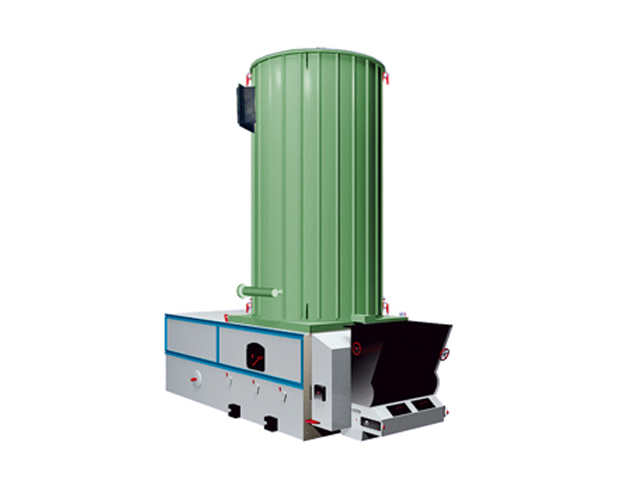
Beyond electricity, steam generators are revolutionizing heavy industry. They are essential for producing high-temperature process heat in sectors like hydrogen production (via steam methane reforming with CCUS or for electrolysis), biofuels refining, and desalination plants. In district heating systems, modern steam generators provide efficient, large-scale heat for urban areas, replacing individual, less-efficient boilers and facilitating the use of waste heat or geothermal sources, thereby cutting urban carbon footprints.
The adoption is driven by stringent global climate policies and carbon pricing mechanisms (like emissions trading systems), which make carbon-intensive operations costly. Simultaneously, government subsidies and incentives for clean energy projects improve the financial viability of advanced systems. From an economic perspective, the rising cost competitiveness of renewable energy forces traditional generators to maximize efficiency and flexibility to remain operational, while energy security concerns also promote technologies that can use diverse, domestically available fuels.