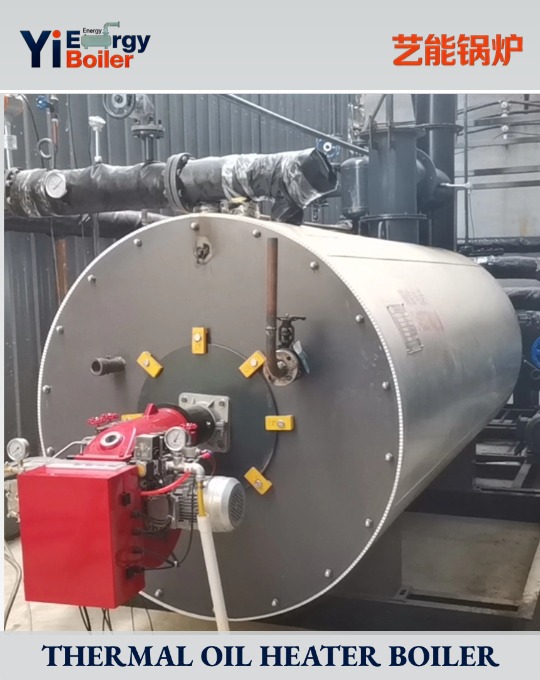
For beginners, igniting, warming up, and dehydrating a thermal oil boiler are the most fundamental and critical steps. Improper operation not only affects normal boiler operation but may also lead to equipment failure or safety incidents. Below is a detailed explanation of the beginner’s operating steps—simple and easy to understand. Just follow along.
Step 1: Pre-Ignition Preparation. First, inspect all boiler components to ensure the burner, circulation pump, valves, gauges, and other parts are functioning properly with no leaks. Next, check the thermal oil level to ensure it remains within the normal range; replenish if insufficient. Then, verify that the flue gas valve is open and the flue is unobstructed. Finally, inspect the control system to confirm it is operational and all parameters are set appropriately.
Step 2: Ignition Operation. Start the circulation pump to circulate thermal oil between the boiler and heat-consuming equipment, ensuring smooth circulation and preventing localized overheating. Then activate the burner. Follow the burner’s operating instructions to ignite the torch, then introduce fuel (gas, oil, etc.). Observe the flame condition to ensure it is stable and burns completely. If the flame is unstable or extinguishes, immediately shut off the fuel supply, troubleshoot the issue, and attempt reignition.
Step 3: Temperature Increase Operation. After successful ignition, initiate a gradual temperature increase. Avoid excessive heating rates, typically maintaining 5°C-10°C per hour to prevent thermal stress damage to boiler components from rapid heating. During the temperature rise, closely monitor pressure gauge and thermometer readings to ensure thermal oil pressure and temperature remain within normal ranges. Simultaneously observe the circulation pump’s operational status to confirm normal circulation.
Step 4: Dehydration Operation. Thermal oil may contain trace amounts of water. At high temperatures, this water vaporizes, causing sudden pressure surges within the boiler and potentially triggering safety incidents. Therefore, dehydration must be performed during the heating process. When the thermal oil temperature reaches 100°C-120°C, halt the heating process and maintain this temperature. Open the boiler’s vent valve to expel moisture and steam from the thermal oil until no significant vapor escapes from the vent valve. Only then should heating resume. During dehydration, closely monitor boiler pressure. If pressure becomes excessively high, promptly open the vent valve to relieve pressure and ensure safety.
Step 5: Normal Operation. After dehydration is complete, continue slow heating until the thermal oil reaches the temperature required by the production process. Then stabilize operation while closely monitoring all parameters to ensure the boiler functions normally.
Important Note for Beginners: Throughout the entire operation, it is strictly prohibited to accelerate the heating rate without authorization or to continue heating before dehydration is complete. If any abnormalities occur, immediately stop the operation, shut off the fuel supply and circulation pump, investigate the issue, and only resume operation after troubleshooting.