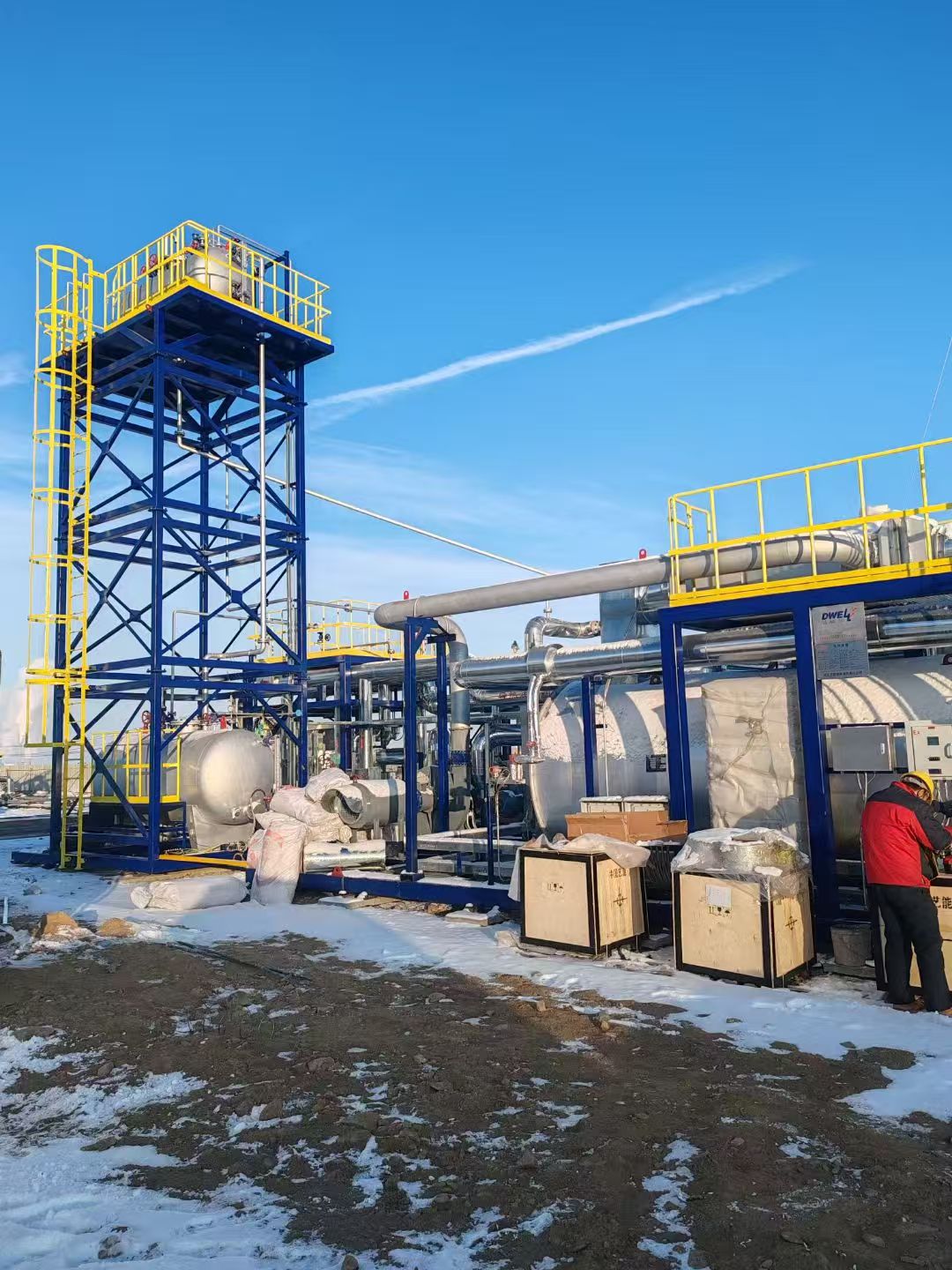
Boilers aren’t as complicated as people imagine—they’re essentially “energy converters.” Simply put, they transfer heat generated by burning fuel (like natural gas, coal, or diesel) to a working fluid inside—either water or thermal oil—raising it to specific temperatures and pressures. This high-temperature, high-pressure fluid then powers factories, provides heating, or drives machinery.
At its core, a boiler performs two main functions: First, fuel combustion releases heat—for instance, when natural gas burns, its chemical energy transforms into thermal energy, releasing substantial heat. Second, the working fluid absorbs this heat and rises in temperature. This heat is transferred through the boiler’s heat transfer surfaces to the water or thermal oil inside, elevating it from ambient temperature to high heat, or even vaporizing it into steam.
To put it simply, a boiler functions like an “oversized kettle.” While a kettle heats a small amount of water, a boiler heats large volumes of working fluid. Crucially, it delivers heat continuously and reliably to meet industrial demands. Whether powering manufacturing processes or providing centralized heating during winter, boilers are indispensable.