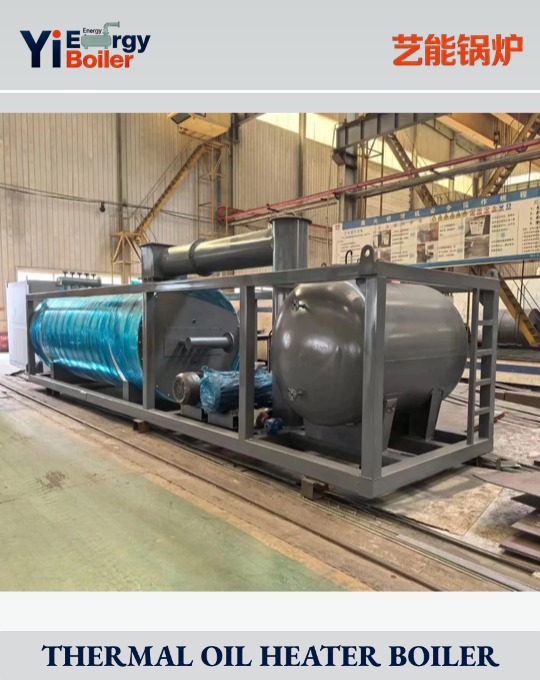
Many assume industrial boilers can only run on electricity, gas (natural gas, liquefied petroleum gas), or coal. In reality, beyond these common fuels, industrial boilers have numerous alternative options that operate without electricity or gas—fuels most people may not even know exist.
First: Biomass fuel. Biomass fuel is an eco-friendly, renewable option primarily composed of agricultural and forestry waste like straw, wood chips, rice husks, peanut shells, and branches. Processed into pellets or briquettes, it’s used for boiler combustion. The advantages of biomass fuel lie in its environmental friendliness—it emits fewer pollutants during combustion, meeting national environmental standards—and its relatively low cost. It is suitable for factories with high environmental requirements and access to nearby biomass resources.
Second: Heavy oil, diesel, and other liquid fuels. Beyond natural gas, industrial boilers can utilize heavy oil, diesel, and similar liquid fuels. These fuels possess high calorific values and combustion efficiency, rapidly generating substantial heat. They are suitable for factories without natural gas pipelines or facing high electricity costs. However, liquid fuels are relatively expensive and produce certain pollutants during combustion, necessitating corresponding environmental treatment equipment.
Third: Solid fuels like coke and pulverized coal. Beyond raw coal, industrial boilers can utilize solid fuels such as coke and pulverized coal. Coke offers high combustion efficiency with low ash content, making it suitable for scenarios demanding high combustion efficiency. Pulverized coal burns uniformly, maximizing fuel utilization and is ideal for large industrial boilers, though it requires dedicated pulverized coal preparation and delivery equipment.
Fourth: Refuse-derived fuel. With advancements in environmental technology, refuse-derived fuel is increasingly applied in industrial boilers. This involves processing municipal solid waste through sorting, crushing, drying, and compression to create fuel for boiler combustion. This approach enables resource recovery from waste while providing heat for boilers, making it suitable for scenarios like waste treatment plants and large industrial parks.
In reality, industrial boilers offer diverse fuel options, each with distinct advantages. Factories can select suitable fuels based on their specific circumstances—such as environmental requirements, fuel costs, and local resources—without necessarily relying solely on electricity or gas. Making informed fuel choices can reduce operational costs and ensure compliance with environmental standards.