
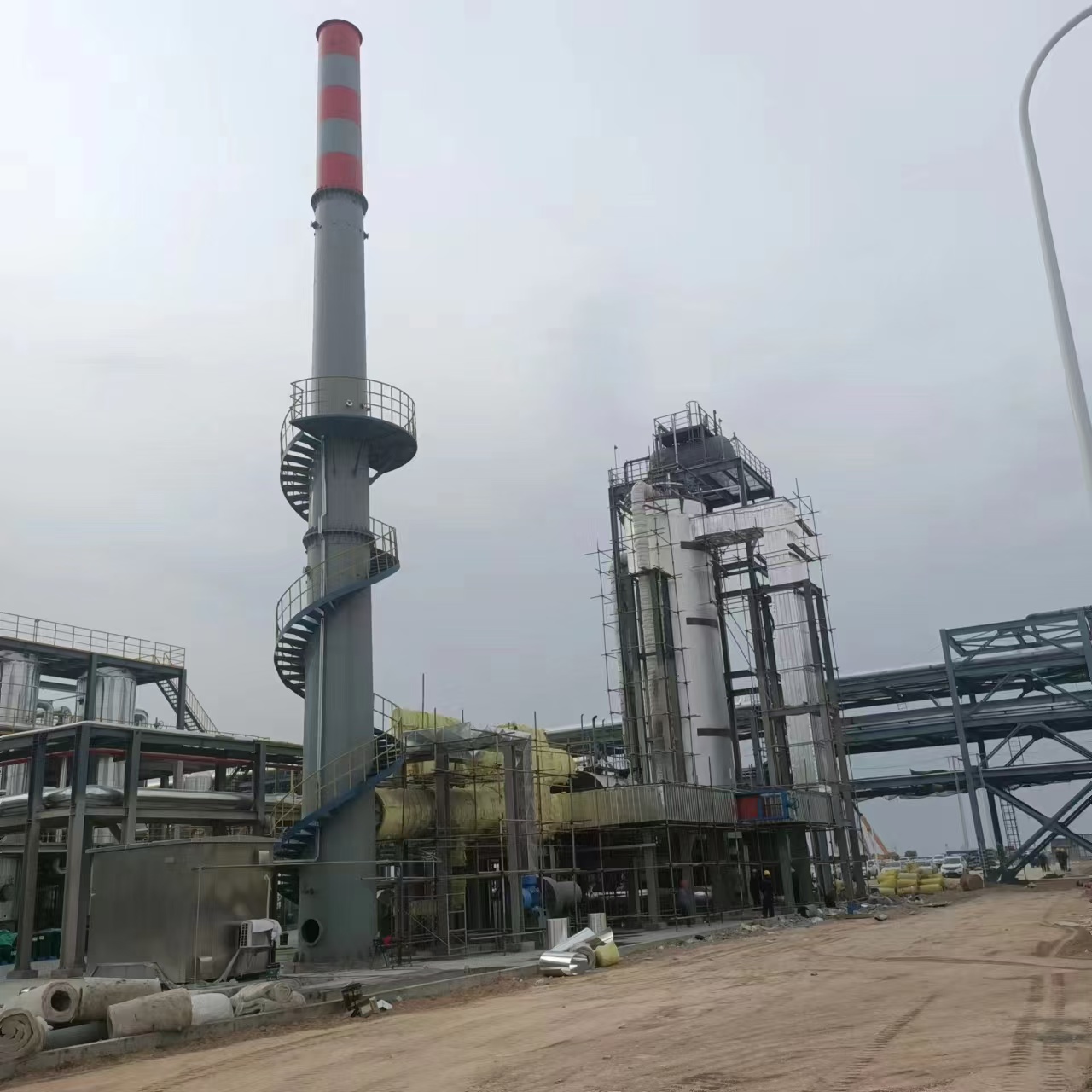
The boiler flue is a vital passageway for exhausting flue gases. If the flue becomes blocked, flue gases cannot be expelled smoothly, causing “stagnant air” to build up inside the furnace. This leads to incomplete fuel combustion, reduced boiler thermal efficiency, and may even result in flue gas backflow, triggering safety incidents. Many beginners don’t know what to do when faced with a flue blockage. In fact, by following a few simple steps, you can clear it quickly. Below is a detailed guide that even beginners can follow.
Step 1: Shut down the boiler, allow it to cool, and ensure safety precautions are in place. Upon discovering a flue blockage, immediately shut down the boiler and cut off the fuel supply. Allow the boiler to cool down and depressurize naturally. Never attempt to clear the flue while it is still under high temperature or pressure to avoid safety hazards such as burns or flue gas leaks. At the same time, wear appropriate protective gear, such as gloves, masks, and goggles, to prevent harm from dust and harmful gases.
Step 2: Identify the location and cause of the blockage. First, inspect the exterior of the flue to check for any visible obstructions at the chimney outlet, such as debris or accumulated ash. Then, open the flue’s access hatch to examine the internal blockage, determining its location (whether at the chimney outlet, mid-flue, or furnace outlet) and the type of obstruction (ash, grease, or debris). This allows for targeted clearing.
Step 3: Targeted clearing based on specific conditions. If the blockage consists of ash and is not severe, use compressed air to blow the ash away. When blowing, start from the inside of the flue toward the chimney outlet to prevent ash from flowing back into the furnace. If there is a large amount of ash and the blockage is severe, use specialized flue cleaning tools (such as cleaning brushes or rods) to reach deep into the flue and remove the ash bit by bit.
If the blockage is caused by grease buildup (common in gas or oil-fired boilers), apply a professional flue degreaser to the surface of the grease. Allow it to sit for a while to dissolve the grease, then use cleaning tools to remove it completely. Finally, use compressed air to blow out the flue to ensure it is clear; If the blockage consists of debris (such as branches, plastic bags, or stones), use tools to remove the debris directly. If the debris is located deep within the flue, use tools such as hooks or ropes to pull it out.
Step 4: Inspect after clearing to ensure unobstructed flow. After clearing the blockage, close the flue access panel, start the induced draft fan, and observe the exhaust gas flow. If the exhaust gas flows smoothly without abnormal noises or backflow, the flue is fully cleared. At the same time, check the flue’s seal for any leaks. If leaks are found, repair them promptly to prevent safety incidents caused by exhaust gas leakage.
Step 5: Implement preventive measures to reduce blockages. Flue blockages are mostly caused by long-term neglect and the accumulation of dust and grease. Therefore, the flue should be cleaned regularly, typically every 3–6 months, with the cleaning cycle adjusted based on the boiler’s usage frequency and fuel type. Additionally, prevent debris from entering the flue; a protective screen can be installed at the chimney outlet to block branches, plastic bags, and other debris.
Important Note for Beginners: When clearing the flue, never use open flames for lighting, as this may ignite accumulated oil or ash inside the flue and cause a fire. If the flue is severely blocked and you cannot clear it yourself, contact a professional immediately. Do not attempt to clear it on your own to ensure safety.