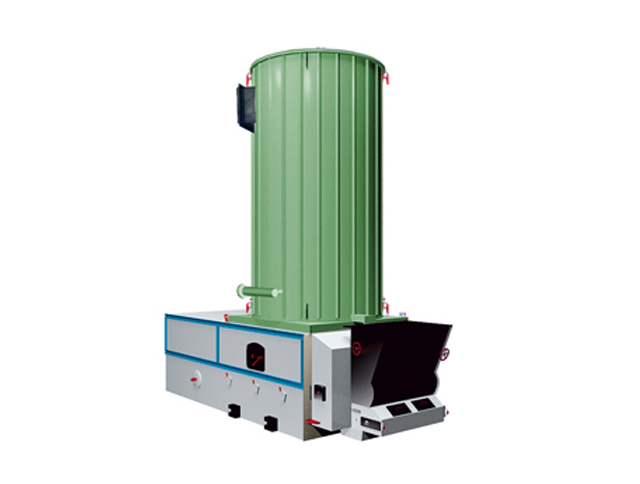
The Pros and Cons of Boiler Steam Generators Explained
Boiler steam generators remain a cornerstone technology for industrial process heating, power generation, and large-scale facility operations. Understanding their full profile is crucial for operational and investment decisions. This analysis breaks down the key advantages and disadvantages of these systems.
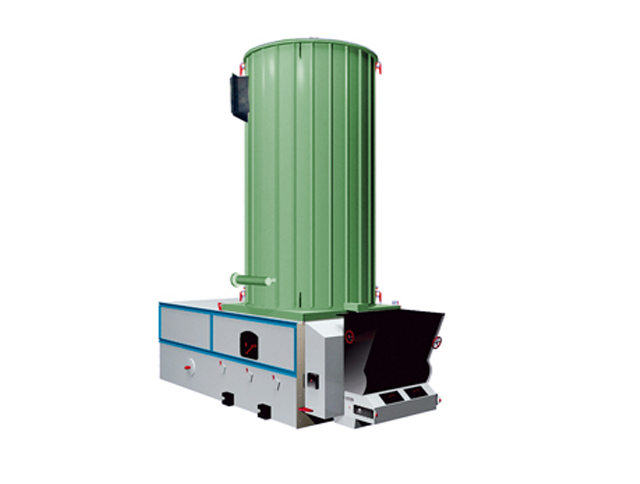
What are the primary advantages of boiler steam generators?
High Efficiency and Powerful Heat Transfer: Steam carries a significant amount of latent heat, allowing for extremely efficient thermal energy transfer over distances with minimal heat loss. This makes boilers exceptionally effective for heating large spaces or driving industrial processes.
Reliability and Proven Technology: With a long history of development and refinement, boiler systems are well-understood, robust, and capable of continuous, high-load operation for decades with proper maintenance, ensuring stable process output.
Fuel Flexibility and Versatility: Modern boilers can be designed to utilize a wide range of fuel sources, including natural gas, oil, coal, biomass, and even waste materials. This adaptability allows facilities to choose cost-effective or locally available fuels.
Ability to Generate Power: Beyond just heat, high-pressure steam from boilers can drive turbines to generate electricity (cogeneration), increasing a facility’s overall energy efficiency and providing power security.
What are the main disadvantages of boiler steam generators?
High Initial and Operational Costs: The capital investment for a boiler system, including the unit itself, installation, and ancillary equipment (pumps, water treatment), is substantial. Operational costs, including fuel, water treatment chemicals, and skilled labor, are also significant.
Safety and Regulatory Complexity: Boilers are pressure vessels that operate under high temperature and pressure, posing inherent safety risks. They are subject to strict, ongoing regulations, inspections, and compliance requirements, which add to operational overhead.
Slow Startup and Responsiveness: Boilers have a high thermal mass and require time to raise temperature and pressure to operational levels. This makes them less responsive to sudden load changes compared to some direct-fired heating systems.
Maintenance Demands and Downtime: Regular, meticulous maintenance is non-negotiable to ensure safety, efficiency, and longevity. This includes water treatment to prevent scale and corrosion, mechanical inspections, and periodic shutdowns for internal cleaning, which can lead to production downtime.
Space and Infrastructure Requirements:** Boiler systems, along with their fuel storage (if needed) and water treatment facilities, require considerable dedicated space within a plant or building, which can be a constraint.